Editing Your Screen Recordings: Tools and Techniques for 2025 Full Specification
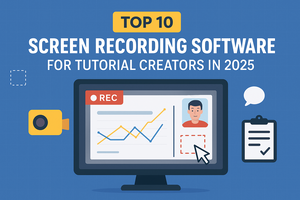
In this comprehensive 2025 guide, you’ll learn the best tools and techniques to edit screen recordings like a professional — even if you’re a beginner. From trimming and transitions to adding effects, captions, and voiceovers, we’ll cover everything you need to make your screen recordings stand out.
Why Editing Your Screen Recordings Is Crucial
Editing is not just about cutting mistakes — it’s about creating flow, clarity, and engagement. Raw screen captures often include pauses, misclicks, or unnecessary movements that can distract viewers. Through editing, you can:
-
Refine your message: Remove repetitive or irrelevant sections.
-
Enhance visuals: Add highlights, zooms, or annotations to draw attention.
-
Improve pacing: Keep your tutorial dynamic and easy to follow.
-
Add branding: Insert intros, logos, and outros to look professional.
-
Boost accessibility: Add captions or callouts for better understanding.
In short, editing transforms your recording from “good” to “great.” It’s what makes people watch till the end.
Choosing the Right Video Editing Software for Screen Recordings
Not every video editor suits screen recording content. You need tools that support high-resolution screen captures, clear text rendering, and precise audio sync. Here are some top choices for 2025:
1. Camtasia (Best All-in-One for Tutorials)
Camtasia remains the go-to tool for educators and tutorial creators. It combines screen recording and editing in one package. Its timeline editor lets you trim, split, add transitions, or insert callouts seamlessly. The built-in templates and animations make professional editing easy — even for beginners.
2. Adobe Premiere Pro (For Advanced Users)
If you want studio-quality editing power, Premiere Pro is unbeatable. It supports multi-track editing, advanced color correction, and high-end effects. You can edit 4K or even 8K screen recordings, add motion graphics, and sync multiple media sources.
3. DaVinci Resolve (Free + Professional-Grade)
DaVinci Resolve offers Hollywood-level tools for color grading, sound mixing, and visual effects — all for free. It’s perfect if you need professional results without a premium subscription.
4. Filmora 13 (User-Friendly Option)
Filmora’s simple interface and drag-and-drop editing make it ideal for beginners. The 2025 update introduced AI-powered features like auto noise reduction and smart trimming, which speed up editing drastically.
5. CapCut Desktop (Free & AI-Enhanced)
CapCut has evolved beyond mobile use — its desktop version offers AI auto-captioning, templates for tutorial creators, and smooth transitions. It’s a top choice for YouTubers on a budget.
Understanding the Editing Workflow
Before diving into tools, it’s essential to understand the editing workflow — the logical sequence professionals follow to create efficient, high-quality edits.
-
Import Media: Bring in your screen recordings, audio, and images.
-
Organize Files: Name clips, create folders for assets, and set your timeline.
-
Rough Cut: Remove mistakes, dead air, or unnecessary sections.
-
Fine Edit: Adjust transitions, align audio, and smooth out pacing.
-
Add Enhancements: Insert annotations, text overlays, and effects.
-
Polish the Audio: Normalize sound, remove noise, and add background music.
-
Render and Export: Choose the right format for YouTube, e-learning, or social media.
Following this workflow helps maintain consistency and efficiency — especially for long tutorial projects.
Trimming and Cutting for Clean Flow
Trimming is the backbone of video editing. Every second counts when holding a viewer’s attention.
When editing your screen recording:
-
Cut long pauses: Viewers lose interest quickly during idle moments.
-
Remove mistakes: Misclicks or repeated actions add no value.
-
Keep transitions smooth: Use crossfades or dissolve transitions to hide cuts naturally.
-
Preview frequently: Rewatch sections after trimming to ensure smooth continuity.
Pro Tip: In Camtasia or Premiere Pro, use the Ripple Delete feature — it automatically closes gaps when you cut sections, saving hours of manual adjustment.
Adding Text, Annotations, and Callouts
Text and callouts are vital for clarity. They guide viewers’ eyes and reinforce key points.
Examples of useful on-screen text:
-
Highlight keyboard shortcuts (e.g., “Press Ctrl + S to Save”).
-
Label buttons or menus.
-
Display quick tips during demonstrations.
Camtasia, Filmora, and CapCut offer pre-designed callout templates. For example, in Camtasia, you can use arrows or highlight boxes to emphasize specific screen areas — perfect for software tutorials.
Make sure your fonts are clear and legible, typically sans-serif styles like Open Sans or Roboto. Also, maintain consistent colors that match your brand identity.
Enhancing Audio for Clearer Narration
Even the best visuals lose impact if the audio is poor. Viewers are less forgiving of bad sound than minor visual flaws.
To enhance your audio:
-
Use a noise reduction filter: Tools like Audacity or Premiere Pro’s DeNoise remove background hum.
-
Normalize volume levels: Keep the voice consistent throughout.
-
Add subtle background music: Light, royalty-free tracks improve engagement but shouldn’t overpower narration.
-
Sync precisely: Ensure your voiceover matches on-screen actions.
If you record voiceovers separately, align them by watching your cursor movements during playback — this ensures perfect synchronization.
Adding Transitions and Effects
Transitions keep your video flowing naturally between scenes. Avoid overusing flashy effects — subtle transitions look more professional.
Recommended transitions for screen recordings:
-
Fade In/Out: Smooth beginning and ending.
-
Cross Dissolve: Gentle scene blending.
-
Slide or Push: Good for switching between app windows.
-
Zoom transitions: Useful for emphasizing interface details.
In 2025, many editors like Filmora and CapCut now include AI-assisted transition suggestions, analyzing your clips to recommend fitting effects automatically.
Using Zoom and Pan Effects
Zooming and panning direct attention where it matters most — buttons, menus, or important steps.
For example, in Camtasia, you can animate a zoom-in effect on a specific region when explaining detailed processes. The Pan-and-Zoom feature in Filmora allows smooth movement across the screen, ideal for software demonstrations or detailed dashboards.
Make sure to avoid excessive zooming; it should guide viewers, not distract them.
Color Correction and Screen Clarity
Your screen recording may appear dull or washed out, especially when captured in low-light environments or on uncalibrated monitors.
Use basic color correction tools to:
-
Increase contrast and brightness.
-
Adjust gamma for readability.
-
Boost saturation slightly for vibrancy.
Advanced editors like DaVinci Resolve excel in color grading — you can match colors across multiple scenes, ensuring a consistent, polished look.
Adding Intros and Outros for Branding
If you’re creating videos for YouTube or business tutorials, a strong intro and outro make your videos memorable.
-
Intro: Show your logo, tagline, or a quick 3-second animation.
-
Outro: Include “Subscribe,” “Follow us,” or “Next Video” prompts.
You can use templates from Envato Elements, Canva Video, or CapCut Library to design branded animations. Consistent branding builds trust and recognition over time.
Adding Captions and Subtitles
Accessibility is key in 2025. Many platforms, including YouTube, prioritize videos with captions in SEO rankings.
To add captions:
-
Use auto-captioning tools (like CapCut or YouTube Studio).
-
Review and correct AI-generated text for accuracy.
-
Use contrasting colors for readability (e.g., white text with black shadow).
Captions also help non-native English speakers follow tutorials easily, expanding your audience reach.
Syncing Video with Music or Voiceover
If you add music or narration, ensure synchronization. A delayed voiceover or off-beat sound instantly feels unprofessional.
Steps for perfect syncing:
-
Use markers on your timeline to align audio events.
-
Adjust waveforms visually for precise matching.
-
Use fade-in/out for music to blend smoothly.
Most 2025 editors provide AI auto-sync features that automatically match your narration to on-screen events — saving hours of manual tweaking.
Inserting Images, Logos, and Overlays
Adding visual overlays like icons or watermarks can enrich your video’s appearance.
Examples:
-
Company logo in the corner for branding.
-
Mouse click animations for clarity.
-
“Tip” or “Note” boxes for additional information.
In Premiere Pro, you can create a “logo overlay layer” to maintain consistent branding across multiple videos. Filmora and Camtasia also support motion graphics overlays to make tutorials visually appealing.
Speed Control and Time Effects
Sometimes you may want to speed up or slow down certain parts.
-
Speed up repetitive actions: e.g., software installation steps.
-
Slow down complex steps: for better understanding.
Filmora, Camtasia, and Premiere all support variable speed adjustment and freeze frames — great for highlighting key points without losing viewer interest.
Exporting and Rendering Your Edited Video
Once your editing is complete, it’s time to export your project.
Key export settings for screen recordings:
-
Resolution: 1080p or 4K for sharp text clarity.
-
Frame rate: 30 fps is standard for tutorials.
-
Format: MP4 (H.264) for wide compatibility.
-
Bitrate: Around 10–15 Mbps for YouTube-quality visuals.
Most modern tools include preset export options optimized for platforms like YouTube, Vimeo, or TikTok — simplifying the process.
AI Tools for Smarter Video Editing (2025 Update)
Artificial Intelligence has revolutionized video editing. In 2025, editors rely on AI to automate repetitive tasks:
-
Auto-cut silences: Removes dead air instantly.
-
AI noise cleanup: Clears background hum automatically.
-
Auto captions: Generates multilingual subtitles.
-
AI highlight detection: Suggests clips worth keeping.
Leading AI-powered tools include Descript, Runway ML, and CapCut AI Suite — they save creators countless hours of manual work.
Tips for Efficient Editing Workflow
Editing can be time-consuming, but a smart workflow improves efficiency:
-
Use keyboard shortcuts: Learn “cut,” “ripple delete,” and “zoom” keys.
-
Organize assets: Label your clips, audio, and images clearly.
-
Work in layers: Keep separate tracks for voice, video, and text.
-
Save frequently: Use cloud backup to prevent data loss.
-
Batch export: Export multiple videos overnight to save time.
The more organized you are, the faster you can finish edits without sacrificing quality.
Common Editing Mistakes to Avoid
Even experienced editors fall into these traps:
-
Overusing effects or transitions — keep it simple.
-
Ignoring audio quality — always monitor levels.
-
Skipping captions or branding — consistency matters.
-
Exporting in low resolution — blurs text and interface details.
Avoiding these mistakes ensures your videos look clean, professional, and engaging.
Conclusion: Editing Makes the Difference
In 2025, creating a screen recording is easy — but editing it effectively is what separates amateurs from professionals. With the right tools, techniques, and attention to detail, you can produce captivating tutorials, demos, and presentations that truly educate and engage your audience.
Remember: good editing isn’t about fancy effects — it’s about clarity, pacing, and impact. Start simple, stay consistent, and keep learning as editing technologies evolve.
FAQs About Editing Screen Recordings
1. What’s the best software for editing screen recordings?
Camtasia and Filmora are great for beginners, while Adobe Premiere Pro and DaVinci Resolve suit professionals. For AI-powered automation, try CapCut Desktop or Descript.
2. How can I remove background noise from my screen recording?
Use built-in noise reduction filters in your editor or export the audio track to Audacity. Then apply “Noise Reduction” and reimport the cleaned audio.
3. Should I use background music in tutorial videos?
Yes, but keep it subtle. Low-volume background music enhances engagement but shouldn’t overpower narration.
4. How do I add subtitles easily?
Use AI auto-captioning tools in CapCut or YouTube Studio, then review the text for accuracy before publishing.
5. What’s the ideal export format for YouTube tutorials?
MP4 with H.264 codec at 1080p (30 fps) is recommended. It ensures good quality and fast uploads.
6. Can I edit screen recordings on mobile devices?
Yes. Apps like CapCut Mobile, Kinemaster, or VN Editor support mobile editing, though desktop tools offer more control and precision.